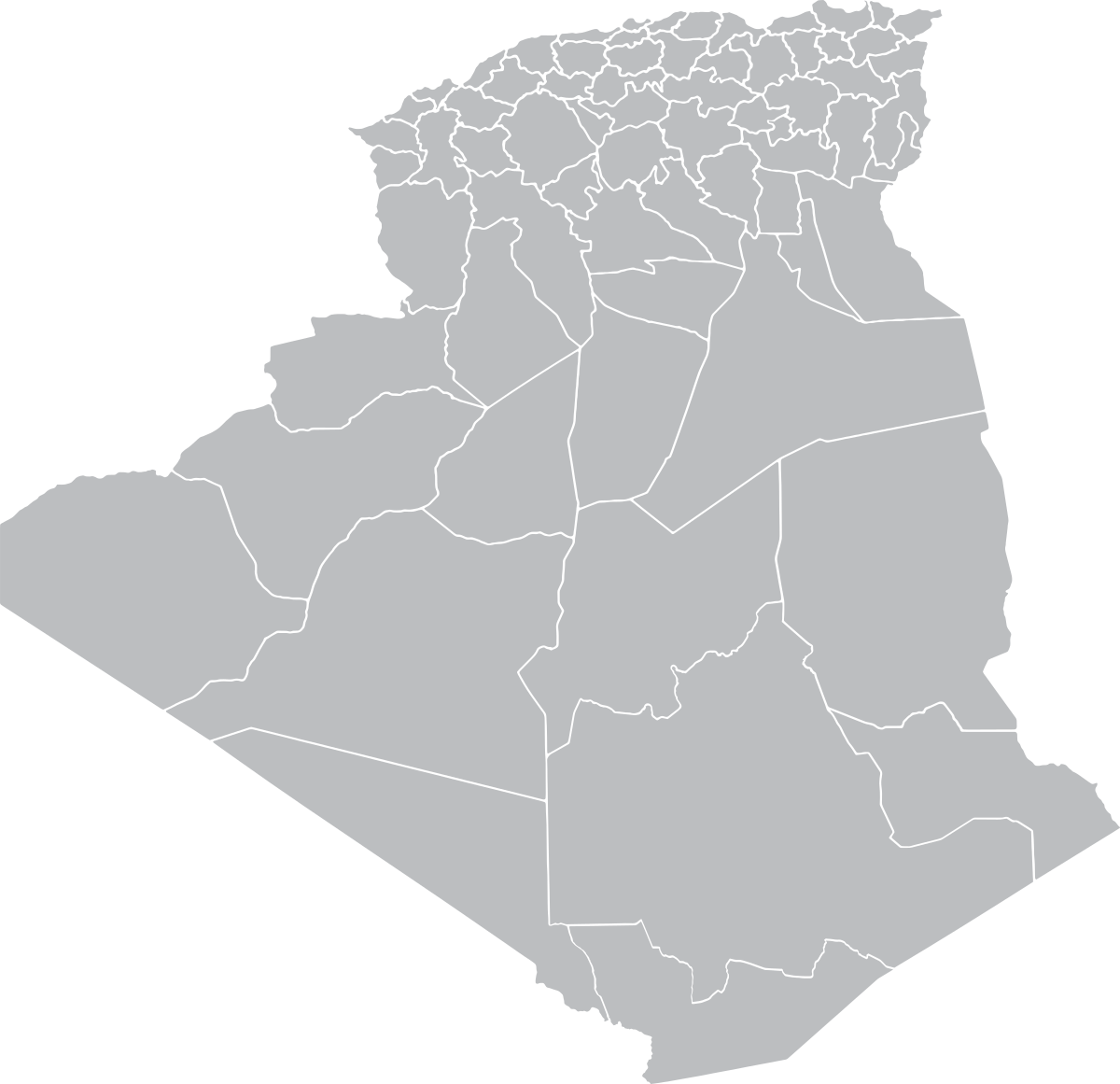
In 1966, an Italian director named Gillo Pontecorvo released a film about the Algerian war of independence against France. It was shot in black and white, on location in Algiers, using non-professional actors — many of whom had actually lived through the events the film depicted. It looked like a documentary. It felt like a documentary. It was not a documentary. It was a reconstruction so precise and so unflinching that it became more real than the newsreels.
The Battle of Algiers was immediately banned in France. It would remain banned for five years. The French government understood something that film critics would take decades to articulate: this was not a movie about Algeria. It was a manual.
The film follows the National Liberation Front's urban guerrilla campaign against French colonial occupation between 1954 and 1957. It shows how a resistance movement organizes in a city — cell structures, dead drops, disguises, the use of women as operatives because soldiers do not search women as thoroughly. It shows the French response — torture, collective punishment, the systematic destruction of the Casbah quarter. It shows both sides with a detachment that refuses to comfort either.
The French colonel in the film, Mathieu, is not a monster. He is intelligent, articulate, and honest about what he is doing. When a journalist asks him whether France uses torture, he does not deny it. He asks instead: do you want France to remain in Algeria? If yes, then you must accept the consequences. The honesty is more devastating than any lie. It says: this is the price of empire. Pay it or leave.
The Algerians in the film are not saints. They plant bombs in cafés where civilians sit drinking coffee. They kill. They are killed. They are not romanticized. They are shown as people making choices in conditions they did not create — conditions of occupation, of humiliation, of a violence so structural that it has become invisible to those who enforce it.
This is why every liberation movement in the world has studied this film. The Black Panthers screened it. The IRA screened it. The PLO screened it. The Pentagon screened it — in 2003, before the invasion of Iraq, trying to understand what urban resistance looks like. They watched the same film the resistance fighters watched, and both sides found what they were looking for.
What makes the film essential to this archive is not its politics but its method. Pontecorvo does not tell the audience who is right. He shows what happened. He shows the French paratrooper tightening the electrode. He shows the Algerian woman placing the bomb in the basket. He shows the child caught in the crossfire. And he trusts the audience to hold all of it — the horror and the necessity, the cruelty and the courage — without collapsing into a simple verdict.
This is what political art does when it is honest. It does not comfort. It does not recruit. It places the viewer inside a situation and says: this is what it looked like. This is what it felt like. Now you decide what it means.
The Battle of Algiers ends with Algeria's independence in 1962. The final scenes show crowds flooding the streets, waving flags, dancing. The resistance won. But the film does not celebrate. It observes. Because Pontecorvo knew what the celebration would eventually become — a new government, new problems, new struggles. The revolution is not the ending. It is the beginning of a different kind of difficulty.
Every nation that has fought for its freedom knows this. The hardest part is not the fighting. The hardest part is what comes after. The Battle of Algiers is the rare work of art that shows both — the fire and the ash — and asks you to look at them equally.